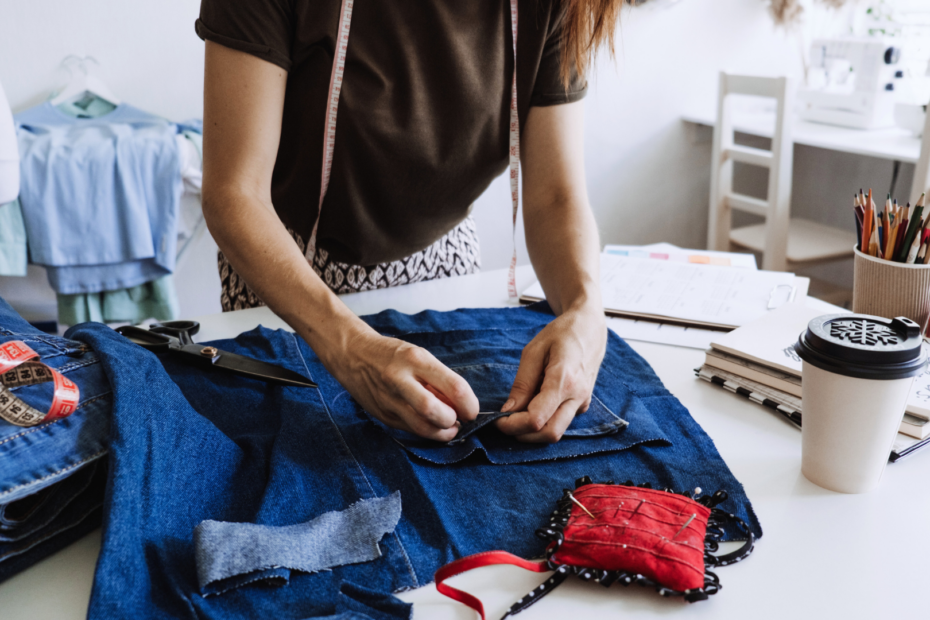
The rise of upcycled handcraft projects is a response to increasing environmental awareness, creativity, and individuality. People are drawn to these projects because they offer a sustainable way to create unique items while reducing waste. This trend reflects a shift in consumer values, where many prioritize eco-friendly practices over mass production.
As social media platforms showcase stunning upcycled creations, artisans and hobbyists alike are inspired to transform discarded materials into beautiful, functional pieces. This fosters a sense of community among creators who share ideas, techniques, and success stories, further fueling the trend.
The appeal of upcycling lies not just in its environmental benefits but also in the personal connection to the materials used. Engaging in these projects allows individuals to express their creativity and craft something meaningful. The result is a growing movement that celebrates innovation and sustainability.
The Rise of Upcycled Handcrafts
Upcycled handcrafts have gained popularity due to increased environmental consciousness and a desire to support local artisans. This trend reflects a shift towards sustainable practices and community engagement, compelling crafters to utilize discarded materials creatively.
Environmental Awareness
Environmental concerns drive many consumers to seek sustainable alternatives. Upcycling transforms waste into functional art, reducing landfill contributions significantly. Items like reclaimed wood or repurposed fabrics become unique pieces, showcasing creativity while minimizing ecological impact.
Data shows that upcycling can reduce energy consumption and raw material use. For instance, upcycled fabrics often require less water and fewer chemicals compared to new materials. As a result, consumers may feel good about their purchases, knowing they support practices that preserve the planet.
Support for Local Artisans
The rise of upcycled handcrafts also highlights a growing movement to support local artisans. Consumers increasingly value handmade products, appreciating their uniqueness and the stories behind them. Buying from artisans not only fosters creativity but also strengthens local economies.
Many artisans use upcycling to differentiate their work from mass-produced items. This approach allows them to create distinctive products while giving new life to discarded materials. By supporting these artisans, consumers actively participate in a sustainable and ethical marketplace, driving the growth of this trend.
Benefits of Upcycling
Upcycling offers significant advantages, ranging from environmental benefits to personal creativity. These projects not only reduce waste but also provide opportunities for cost savings and innovative designs.
Sustainability and Eco-friendliness
Upcycling contributes to environmental sustainability by transforming waste materials into new products. This process minimizes landfill accumulation and lowers the demand for new raw materials. As a result, upcycling plays a crucial role in reducing carbon footprints associated with manufacturing.
Using upcycled materials helps conserve natural resources, such as water and energy. For instance, the production of new textiles consumes vast quantities of water and chemicals. Repurposing existing items, like fabric or furniture, decreases reliance on such processes and fosters a more sustainable lifestyle.
Cost-Effectiveness
Engaging in upcycled handcraft projects can lead to significant financial savings. Many materials used for upcycling are often inexpensive or free, reducing the overall cost of supplies. Thrift stores, garage sales, and even home scraps can serve as valuable resources for creative projects.
Additionally, upcycling reduces the need to purchase new items, making it an attractive option for budget-conscious individuals. It allows DIY enthusiasts to create unique products without the financial strain typically associated with new materials. This cost-effective approach encourages more people to participate in creative endeavors.
Creative Expression
Upcycling provides a platform for personal creativity and artistic expression. It encourages individuals to think outside the box, using innovative methods to transform everyday items. This artistic freedom often results in unique, one-of-a-kind creations that reflect individual styles.
Moreover, upcycled projects can inspire collaboration and community engagement. Sharing techniques and ideas with others enhances the creative process. Participants often enjoy a sense of accomplishment in crafting functional and aesthetic pieces that tell a story, all while promoting sustainable practices.
Popular Upcycled Projects
Upcycled handcraft projects have gained attention for their creativity and sustainability. Two prominent categories stand out: home decor innovations and fashion accessories. Each offers unique ways to reimagine materials and reduce waste.
Home Decor Innovations
Upcycled home decor projects transform everyday items into beautiful pieces. For example, glass jars can be turned into stylish candle holders or storage containers.
Wood pallets are another popular material. They can be repurposed into:
- Coffee tables
- Shelves
- Wall art
Fabric scraps have made their way into cushions and quilts, adding a personalized touch. Many enthusiasts showcase their creations on social media, inspiring others to try their hand at upcycling.
These projects not only beautify living spaces but also encourage sustainable practices.
Fashion and Accessories
In the fashion world, upcycling has sparked a trend toward creating unique clothing and accessories. Denim, for instance, can be repurposed into bags or skirts.
Common materials used include:
- T-shirts: Transformed into tote bags or headbands.
- Vintage fabrics: Used to create one-of-a-kind dresses or scarves.
Jewelry made from discarded materials like old keys or bottle caps is increasingly popular.
These projects allow individuals to express their style while making environmentally conscious choices. Upcycled fashion not only saves resources but also tells a story through each piece.
Overcoming Challenges in Upcycling
Upcycling presents unique challenges that can deter individuals from fully embracing this sustainable practice. Key issues often include sourcing suitable materials and developing the necessary skills to turn those materials into innovative products.
Material Sourcing
Finding quality materials is crucial in upcycling projects. Many creators face difficulty locating discarded items that are both usable and aesthetically pleasing.
- Local Markets: Thrift shops, flea markets, and garage sales can be treasure troves of potential supplies.
- Community Connections: Networking with local businesses and community members can lead to donations of unwanted items.
Another common challenge is ensuring that materials are safe and clean. Items that are repurposed must be free from toxins or contaminants. This often requires additional efforts to clean or repair before they can be transformed into something new.
Skill Development
Skill deficiencies can hinder individuals from succeeding in upcycled crafts. Many projects require specific techniques, such as sewing, woodworking, or crafting.
- Online Platforms: Websites and video tutorials offer a wealth of information on various crafting skills.
- Workshops: Local craft stores or community centers may offer classes focusing on upcycling techniques.
Practicing these skills on small projects can help build confidence. Starting with simpler tasks allows individuals to gradually progress to more complex creations. Developing a diverse skill set can enhance creativity and lead to more innovative and unique designs.