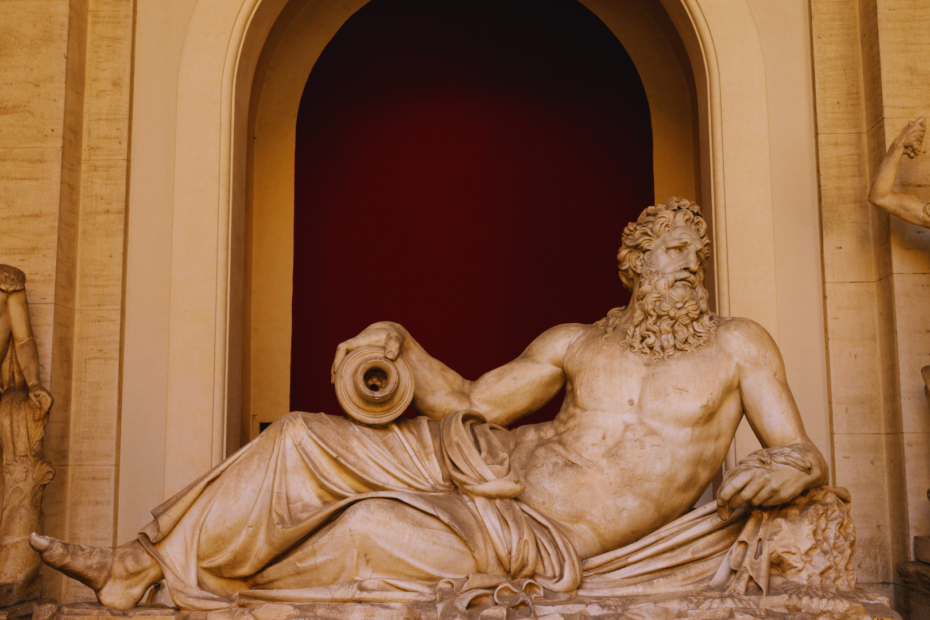
Vintage art has seen a significant rise in popularity, attracting collectors and enthusiasts alike. This trend can be attributed to a growing appreciation for craftsmanship and a desire for unique, character-rich pieces that tell a story. Many individuals seek authentic artworks as a contrast to mass-produced items, valuing the history and individuality that vintage art represents.
The aesthetic appeal of vintage art also plays a crucial role in its popularity. Pieces from different eras often showcase distinct styles and techniques, providing a visual journey through time. These artworks not only enhance interior spaces but also serve as conversation starters, making them highly sought-after in home decor.
Moreover, the environmental consciousness of today’s consumers has prompted many to choose vintage over new. By opting for pre-owned art, they contribute to sustainable practices while acquiring unique items. The intersection of aesthetics, sustainability, and storytelling has firmly positioned vintage art as a favored choice for many.
Historical Significance of Vintage Art
Vintage art holds substantial historical significance, showcasing the evolution of artistic styles and cultural shifts. It offers a window into previous eras, reflecting societal values and historical events through various mediums.
Influence of Old Masters
Old Masters significantly shaped the trajectory of art, serving as benchmarks for future generations. Artists such as Rembrandt, Vermeer, and Titian established techniques and styles that remain relevant.
Their craftsmanship and innovation inspired countless artists, elevating the standards within the art community. Techniques, such as chiaroscuro and perspective, became foundational, influencing both vintage and contemporary artists.
The allure of vintage art, therefore, lies in its connection to these revered figures. Collectors often seek pieces that echo the essence of Old Masters, appreciating the historical narratives embedded within them. Each vintage artwork serves as a testament to the enduring legacy of these great artists.
The Allure of Nostalgia and Authenticity
Nostalgia and authenticity are powerful driving forces behind the popularity of vintage art. These concepts connect individuals to the past, evoking emotional responses and a desire for genuine experiences.
Nostalgia’s Role in Popularity
Nostalgia taps into the collective memory of cultural history. It evokes feelings of warmth and familiarity, transporting viewers to bygone eras.
Vintage art often reflects specific periods that hold significant personal or societal meanings. For many, this connection might stem from childhood memories or family heritage.
The aesthetic qualities of vintage pieces also contribute to their nostalgic appeal. The styles, colors, and techniques used in original artworks can remind people of the comfort and simplicity associated with earlier times.
Seeking Authenticity in Original Art
In an age dominated by mass production, the search for authenticity has become essential. Original art represents not just aesthetic value but also a unique story behind each piece.
Collectors appreciate the craftsmanship and individuality found in vintage works. Unlike reproductions, original pieces carry the artist’s distinct touch and intention.
This authenticity can enhance the emotional connection that individuals feel toward vintage art. Owning a piece of original history often feels more fulfilling than acquiring contemporary mass-made works.
As people gravitate towards meaningful connections, vintage art emerges as a genuine choice reflecting their values and preferences.
Economic Benefits and Accessibility
Vintage art presents financial advantages and improved accessibility for diverse buyers. The growing popularity leads to various avenues for acquiring unique pieces at reasonable prices.
Cost-Effective Ways to Acquire Art
Investing in vintage art can be cost-effective compared to purchasing contemporary works. Prices for vintage pieces often remain stable or appreciate over time, making them a wise investment.
Buyers can explore local thrift shops, flea markets, or estate sales for hidden gems. These venues frequently offer artworks at significantly reduced prices.
Online platforms also provide opportunities to save money. Websites like Etsy facilitate direct purchases from artists, often at lower prices than galleries. This accessibility enables buyers to find high-quality art without incurring high costs.
The Role of Online Marketplaces
Online marketplaces have transformed how art is bought and sold. They provide access to a broader audience, enhancing competition and lowering prices.
E-commerce platforms allow sellers to reach potential buyers without geographical limitations. Sites like Yahoo and Etsy feature extensive listings of vintage art, catering to various tastes and budgets.
Buyers can sift through countless options, making informed choices based on pricing and quality. Online feedback and ratings further empower shoppers to find trustworthy sellers, adding to the overall confidence in their purchases.
Contemporary Influence and Trends
The rise of digital technology has transformed the way vintage art is accessed and appreciated. Contemporary trends show a significant shift in how vintage prints are created and consumed as wall art, appealing to a diverse audience.
Vintage Art in Digital Forms
Digital art has become a powerful medium for vintage styles, allowing artists to reimagine classic techniques. Many contemporary artists utilize software to recreate vintage aesthetics, blending traditional elements with new technology. This fusion enables wider dissemination of vintage-inspired works.
Platforms like Instagram and Etsy have made it easier for vintage art to reach a global audience. Users can explore various digital interpretations of vintage styles, purchase art directly, and even commission custom pieces. Digital forms create a unique accessibility and allow for immediate appreciation of historical influences.
The Popularity of Vintage Prints as Wall Art
Vintage prints remain a favored choice for wall art due to their nostalgic value and unique appeal. Collectors and enthusiasts often seek these pieces to enhance home aesthetics, as they evoke a sense of history and craftsmanship.
Prints from various eras provide a timeless quality that fits numerous décor styles. Whether showcasing mid-century illustrations or art deco designs, vintage prints add character to modern spaces. Interior designers frequently incorporate these pieces, knowing they resonate with clients seeking both style and substance.
In summary, the contemporary embrace of vintage art, through digital and print formats, showcases its enduring popularity and relevance in today’s art market.